how to cook Rice — simple, humble, and yet one of the most loved foods on earth. It’s a staple for billions of people and forms the heart of cuisines from Asia to Africa, Latin America to the Middle East. Whether you’re preparing a fragrant biryani, creamy risotto, sushi, or just a comforting bowl of plain white rice, one thing is certain: knowing how to cook rice properly is a kitchen skill everyone should master.
This guide will walk you through every step — from choosing the right type of rice to cooking methods, common mistakes, and expert tips — so you can cook perfect rice every single time.
🌾 1. Understanding Rice: Types and Textures
Before cooking, you need to understand the type of rice you’re using because each one behaves differently. Rice can be categorized by grain length, aroma, and texture.
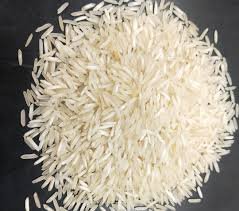
a) Long-Grain Rice
-
Examples: Basmati, Jasmine, Carolina rice
-
Texture: Fluffy, non-sticky
-
Use for: Biryani, pilaf, fried rice
Basmati rice is popular in Indian and Middle Eastern cuisine. It has a delicate aroma and remains separate when cooked. Jasmine rice, common in Thai cooking, is soft and slightly sticky but still light.
b) Medium-Grain Rice
How to Cook RiceHow to Cook RiceHow to Cook RiceHow to Cook RiceHow to Cook RiceHow to Cook RiceHow to Cook RiceHow to Cook Rice
-
Examples: Arborio, Valencia
-
Texture: Slightly sticky, tender
-
Use for: Risotto, paella
Arborio rice is ideal for creamy dishes like risotto because it absorbs liquid without losing its shape.
c) Short-Grain Rice
-
Examples: Sushi rice, glutinous rice
-
Texture: Sticky and soft
-
Use for: Sushi, rice pudding, sticky rice desserts
This type of rice is starchy, which helps it clump together — perfect for recipes that require form or stickiness.
🧂 2. What You’ll Need
Here’s a simple checklist before you start:
Ingredients:
-
Rice (1 cup serves 2–3 people)
-
Water (typically 2 cups per 1 cup of rice, depending on type)
-
Salt (½ teaspoon, optional)
-
Oil or butter (optional, adds flavor and prevents sticking)
Equipment:
-
A saucepan or pot with a lid
-
Measuring cup
-
Fine-mesh strainer
-
Fork for fluffing
Optional:
-
Rice cooker or instant pot
-
Steamer for specific types like sticky rice
🔄 3. Rinse the Rice (Don’t Skip This Step!)
One of the most common mistakes people make is skipping the rinse. Rice naturally has a coating of surface starch that can cause it to turn gummy and sticky when cooked.
How to rinse rice:
-
Place rice in a bowl.
-
Add cold water and gently stir with your hand.
-
Pour out the cloudy water.
-
Repeat 3–4 times until the water runs almost clear.
-
Drain in a fine-mesh strainer.
For Basmati rice, soak it for 20–30 minutes after rinsing — this helps it elongate beautifully when cooked.
🔥 4. The Perfect Water-to-Rice Ratio
The ratio of water to rice is the secret to achieving perfect texture. Here’s a simple reference:
| Type of Rice | Water Ratio (cups) | Cooking Time | Texture |
|---|---|---|---|
| White long-grain | 1 cup rice : 2 cups water | 15–20 min | Fluffy |
| Jasmine | 1 cup : 1½ cups | 12–15 min | Soft, slightly sticky |
| Basmati | 1 cup : 1¾ cups | 15–18 min | Separate, aromatic |
| Brown rice | 1 cup : 2½ cups | 35–45 min | Chewy |
| Short-grain white | 1 cup : 1¾ cups | 15–20 min | Sticky |
| Wild rice | 1 cup : 3 cups | 40–50 min | Firm, chewy |
If you’re using a rice cooker, most models come with internal markings for water levels — follow those for the best result.
🥘 5. Cooking Methods Explained
There are several ways to cook rice, and each gives a slightly different texture. Let’s explore the most popular ones.
Method 1: Stovetop Absorption Method (Traditional Way)
This is the classic and most common way to cook rice.
Steps:
-
Rinse the rice well.
-
In a pot, combine rice, water, and salt.
-
Bring to a boil over medium heat.
-
Once boiling, reduce the heat to low.
-
Cover tightly with a lid.
-
Let it simmer gently for 15–20 minutes.
-
Turn off the heat and let it rest (covered) for 10 minutes.
-
Fluff with a fork before serving.
Why it works:
The rice absorbs all the water, locking in flavor and making each grain tender and separate.
Method 2: Boiling Method (Like Pasta)
Great for beginners and for rice that tends to stick.
Steps:
-
Boil plenty of water in a large pot (like pasta).
-
Add rinsed rice and cook uncovered until tender (10–12 minutes).
-
Drain in a strainer and let sit for a few minutes.
This method works best for long-grain rice, as it prevents clumping.
Method 3: Steaming Method
Used for sticky or glutinous rice.
Steps:
-
Soak rice in water for 4–6 hours.
-
Drain and place in a steamer lined with cloth.
-
Steam for 25–30 minutes until tender.
This method keeps the rice chewy and aromatic — ideal for Southeast Asian dishes.
Method 4: Rice Cooker Method
The easiest, most foolproof method.
Steps:
-
Add rinsed rice and water in the cooker.
-
Press the “cook” button.
-
Wait until it automatically switches to “warm.”
-
Let it rest for 10 minutes before serving.
Modern rice cookers adjust time and temperature automatically for perfect results.
Method 5: Instant Pot or Pressure Cooker
Fast and efficient for busy cooks.
Steps:
-
Add rice and water (1:1 ratio for white rice).
-
Seal the lid and cook on high pressure for 3–5 minutes.
-
Let pressure release naturally for 10 minutes.
-
Fluff and serve.
🍴 6. How to Fluff and Serve Rice
After cooking, don’t stir immediately. Let the rice sit covered for 10 minutes. This resting period allows moisture to redistribute evenly.
Then, use a fork (not a spoon) to gently fluff the rice. This separates the grains and keeps them light and airy.
🍛 7. Flavor Boosts and Variations
Plain rice is great, but a few tweaks can make it even more delicious:
a) Add Aromatics
-
Add bay leaf, cardamom, or cinnamon for fragrant rice.
-
Try garlic or ginger for savory flavor.
b) Use Broth Instead of Water
Replace water with vegetable, chicken, or beef broth for richer taste.
c) Add Butter or Oil
A teaspoon of ghee, olive oil, or butter gives a silky texture and prevents sticking.
d) Add Coconut Milk
For Thai-style coconut rice, replace half the water with coconut milk.
❌ 8. Common Mistakes to Avoid
Even experienced cooks can go wrong with rice. Here are the top mistakes:
| Mistake | Why It’s a Problem | How to Fix |
|---|---|---|
| Not rinsing rice | Makes it sticky | Always rinse 3–4 times |
| Lifting the lid too early | Lets steam escape | Keep lid closed until resting time ends |
| Too much water | Turns rice mushy | Stick to correct ratio |
| Too little water | Undercooks rice | Add a few tablespoons of water and steam again |
| Stirring while cooking | Breaks grains | Avoid stirring until after cooking |
🧠 9. Expert Tips for Perfect Rice
-
Use a heavy-bottomed pot – It distributes heat evenly and prevents burning.
-
Cook on low flame once boiling starts – Gentle heat gives the best texture.
-
Rest before fluffing – This makes all the difference between soggy and fluffy rice.
-
Store leftovers properly – Let cool, then refrigerate in an airtight container for up to 3 days.
-
Reheat with moisture – Sprinkle water before microwaving to keep it soft.
🌍 10. Rice Around the World
Rice takes on different forms and flavors across the globe:
-
India: Fragrant basmati used in biryanis and pulao.
-
Japan: Sticky short-grain rice for sushi.
-
Italy: Creamy Arborio for risotto.
-
China: Steamed white rice with every meal.
-
Spain: Valencia rice for colorful paella.
-
Thailand: Jasmine rice with curries.
Each region transforms rice into something magical — proof of how universal and versatile this grain truly is.
🕒 11. Quick Reference: Cooking Chart
| Rice Type | Ratio | Time | Method |
|---|---|---|---|
| White long-grain | 1:2 | 18 min | Absorption |
| Basmati | 1:1.75 | 17 min | Soak + Absorption |
| Jasmine | 1:1.5 | 15 min | Absorption |
| Brown rice | 1:2.5 | 40 min | Simmer |
| Sticky rice | Steam soaked rice | 30 min | Steaming |
| Wild rice | 1:3 | 45 min | Boiling |
🍽️ 12. Serving Ideas
Rice pairs beautifully with almost anything:
-
Curries, lentils, or stir-fried vegetables
-
Grilled meats or tofu
-
Soups and stews
-
Fried rice (use leftover rice)
-
Rice pudding for dessert
You can also use rice as the base for burrito bowls, sushi rolls, or salads.
✅ 13. Final Thoughts
Cooking rice isn’t just a kitchen task — it’s an art that combines science, timing, and patience. The right ratio, temperature, and technique can transform simple grains into a meal that’s soft, fragrant, and comforting.
Remember these three golden rules:
-
Rinse and measure correctly
-
Avoid lifting the lid while cooking
-
Let it rest before serving
Once you master these, every pot of rice will turn out fluffy, aromatic, and perfect — just the way it should be.
Simple Diagram Example for Notebook:
   Rice Cooking Steps

┌────────────┐

│ 1. Rinse   │

└────┬───────┘

↓

┌────────────┐

│ 2. Add Water│

└────┬───────┘

↓

┌────────────┐

│ 3. Boil    │

└────┬───────┘

↓

┌────────────┐

│ 4. Simmer  │

└────┬───────┘

↓

┌────────────┐

│ 5. Rest &  │

│    Fluff   │

└────────────┘
🍚 How to Cook Rice: The Complete Guide to Perfect Fluffy Rice Every Time
Rice — simple, humble, and yet one of the most loved foods on earth. It’s a staple for billions of people and forms the heart of cuisines from Asia to Africa, Latin America to the Middle East. Whether you’re preparing a fragrant biryani, creamy risotto, sushi, or just a comforting bowl of plain white rice, one thing is certain: knowing how to cook rice properly is a kitchen skill everyone should master.
This guide will walk you through every step — from choosing the right type of rice to cooking methods, common mistakes, and expert tips — so you can cook perfect rice every single time.
🌾 1. Understanding Rice: Types and Textures
Before cooking, you need to understand the type of rice you’re using because each one behaves differently. Rice can be categorized by grain length, aroma, and texture.
a) Long-Grain Rice
-
Examples: Basmati, Jasmine, Carolina rice
-
Texture: Fluffy, non-sticky
-
Use for: Biryani, pilaf, fried rice
Basmati rice is popular in Indian and Middle Eastern cuisine. It has a delicate aroma and remains separate when cooked. Jasmine rice, common in Thai cooking, is soft and slightly sticky but still light.
b) Medium-Grain Rice
-
Examples: Arborio, Valencia
-
Texture: Slightly sticky, tender
-
Use for: Risotto, paella
Arborio rice is ideal for creamy dishes like risotto because it absorbs liquid without losing its shape.
c) Short-Grain Rice
-
Examples: Sushi rice, glutinous rice
-
Texture: Sticky and soft
-
Use for: Sushi, rice pudding, sticky rice desserts
This type of rice is starchy, which helps it clump together — perfect for recipes that require form or stickiness.
🧂 2. What You’ll Need
Here’s a simple checklist before you start:
Ingredients:
-
Rice (1 cup serves 2–3 people)
-
Water (typically 2 cups per 1 cup of rice, depending on type)
-
Salt (½ teaspoon, optional)
-
Oil or butter (optional, adds flavor and prevents sticking)
Equipment:
-
A saucepan or pot with a lid
-
Measuring cup
-
Fine-mesh strainer
-
Fork for fluffing
Optional:
-
Rice cooker or instant pot
-
Steamer for specific types like sticky rice
🔄 3. Rinse the Rice (Don’t Skip This Step!)
One of the most common mistakes people make is skipping the rinse. Rice naturally has a coating of surface starch that can cause it to turn gummy and sticky when cooked.
How to rinse rice:
-
Place rice in a bowl.
-
Add cold water and gently stir with your hand.
-
Pour out the cloudy water.
-
Repeat 3–4 times until the water runs almost clear.
-
Drain in a fine-mesh strainer.
For Basmati rice, soak it for 20–30 minutes after rinsing — this helps it elongate beautifully when cooked.
🔥 4. The Perfect Water-to-Rice Ratio
The ratio of water to rice is the secret to achieving perfect texture. Here’s a simple reference:
| Type of Rice | Water Ratio (cups) | Cooking Time | Texture |
|---|---|---|---|
| White long-grain | 1 cup rice : 2 cups water | 15–20 min | Fluffy |
| Jasmine | 1 cup : 1½ cups | 12–15 min | Soft, slightly sticky |
| Basmati | 1 cup : 1¾ cups | 15–18 min | Separate, aromatic |
| Brown rice | 1 cup : 2½ cups | 35–45 min | Chewy |
| Short-grain white | 1 cup : 1¾ cups | 15–20 min | Sticky |
| Wild rice | 1 cup : 3 cups | 40–50 min | Firm, chewy |
If you’re using a rice cooker, most models come with internal markings for water levels — follow those for the best result.
🥘 5. Cooking Methods Explained
There are several ways to cook rice, and each gives a slightly different texture. Let’s explore the most popular ones.
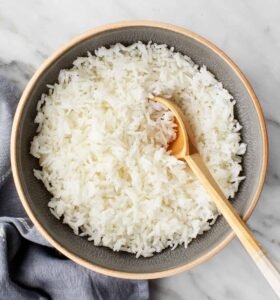
Method 1: Stovetop Absorption Method (Traditional Way)
This is the classic and most common way to cook rice.
Steps:
-
Rinse the rice well.
-
In a pot, combine rice, water, and salt.
-
Bring to a boil over medium heat.
-
Once boiling, reduce the heat to low.
-
Cover tightly with a lid.
-
Let it simmer gently for 15–20 minutes.
-
Turn off the heat and let it rest (covered) for 10 minutes.
-
Fluff with a fork before serving.
Why it works:
The rice absorbs all the water, locking in flavor and making each grain tender and separate.
Method 2: Boiling Method (Like Pasta)
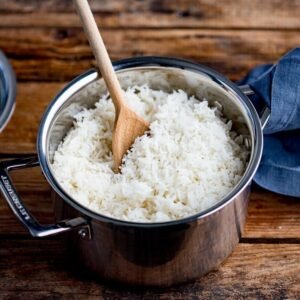
Great for beginners and for rice that tends to stick.
Steps:
-
Boil plenty of water in a large pot (like pasta).
-
Add rinsed rice and cook uncovered until tender (10–12 minutes).
-
Drain in a strainer and let sit for a few minutes.
This method works best for long-grain rice, as it prevents clumping.
Method 3: Steaming Method
Used for sticky or glutinous rice.
Steps:
-
Soak rice in water for 4–6 hours.
-
Drain and place in a steamer lined with cloth.
-
Steam for 25–30 minutes until tender.
This method keeps the rice chewy and aromatic — ideal for Southeast Asian dishes.
Method 4: Rice Cooker Method

The easiest, most foolproof method.
Steps:
-
Add rinsed rice and water in the cooker.
-
Press the “cook” button.
-
Wait until it automatically switches to “warm.”
-
Let it rest for 10 minutes before serving.
Modern rice cookers adjust time and temperature automatically for perfect results.
Method 5: Instant Pot or Pressure Cooker
Fast and efficient for busy cooks.
Steps:
-
Add rice and water (1:1 ratio for white rice).
-
Seal the lid and cook on high pressure for 3–5 minutes.
-
Let pressure release naturally for 10 minutes.
-
Fluff and serve.
🍴 6. How to Fluff and Serve Rice
After cooking, don’t stir immediately. Let the rice sit covered for 10 minutes. This resting period allows moisture to redistribute evenly.
Then, use a fork (not a spoon) to gently fluff the rice. This separates the grains and keeps them light and airy.
🍛 7. Flavor Boosts and Variations
Plain rice is great, but a few tweaks can make it even more delicious:
a) Add Aromatics
-
Add bay leaf, cardamom, or cinnamon for fragrant rice.
-
Try garlic or ginger for savory flavor.
b) Use Broth Instead of Water
Replace water with vegetable, chicken, or beef broth for richer taste.
c) Add Butter or Oil
A teaspoon of ghee, olive oil, or butter gives a silky texture and prevents sticking.
d) Add Coconut Milk
For Thai-style coconut rice, replace half the water with coconut milk.
❌ 8. Common Mistakes to Avoid
Even experienced cooks can go wrong with rice. Here are the top mistakes:
| Mistake | Why It’s a Problem | How to Fix |
|---|---|---|
| Not rinsing rice | Makes it sticky | Always rinse 3–4 times |
| Lifting the lid too early | Lets steam escape | Keep lid closed until resting time ends |
| Too much water | Turns rice mushy | Stick to correct ratio |
| Too little water | Undercooks rice | Add a few tablespoons of water and steam again |
| Stirring while cooking | Breaks grains | Avoid stirring until after cooking |
🧠 9. Expert Tips for Perfect Rice
-
Use a heavy-bottomed pot – It distributes heat evenly and prevents burning.
-
Cook on low flame once boiling starts – Gentle heat gives the best texture.
-
Rest before fluffing – This makes all the difference between soggy and fluffy rice.
-
Store leftovers properly – Let cool, then refrigerate in an airtight container for up to 3 days.
-
Reheat with moisture – Sprinkle water before microwaving to keep it soft.
🌍 10. Rice Around the World
Rice takes on different forms and flavors across the globe:
-
India: Fragrant basmati used in biryanis and pulao.
-
Japan: Sticky short-grain rice for sushi.
-
Italy: Creamy Arborio for risotto.
-
China: Steamed white rice with every meal.
-
Spain: Valencia rice for colorful paella.
-
Thailand: Jasmine rice with curries.
Each region transforms rice into something magical — proof of how universal and versatile this grain truly is.
🕒 11. Quick Reference: Cooking Chart
| Rice Type | Ratio | Time | Method |
|---|---|---|---|
| White long-grain | 1:2 | 18 min | Absorption |
| Basmati | 1:1.75 | 17 min | Soak + Absorption |
| Jasmine | 1:1.5 | 15 min | Absorption |
| Brown rice | 1:2.5 | 40 min | Simmer |
| Sticky rice | Steam soaked rice | 30 min | Steaming |
| Wild rice | 1:3 | 45 min | Boiling |
🍽️ 12. Serving Ideas
Rice pairs beautifully with almost anything:
-
Curries, lentils, or stir-fried vegetables
-
Grilled meats or tofu
-
Soups and stews
-
Fried rice (use leftover rice)
-
Rice pudding for dessert
You can also use rice as the base for burrito bowls, sushi rolls, or salads.
✅ 13. Final Thoughts
Cooking rice isn’t just a kitchen task — it’s an art that combines science, timing, and patience. The right ratio, temperature, and technique can transform simple grains into a meal that’s soft, fragrant, and comforting.
Remember these three golden rules:
-
Rinse and measure correctly
-
Avoid lifting the lid while cooking
-
Let it rest before serving
Once you master these, every pot of rice will turn out fluffy, aromatic, and perfect — just the way it should be.
Simple Diagram Example for Notebook:
how to cook rice how to cook ricehow to cook ricehow to cook ricehow to cook ricehow to cook ricehow to cook ricehow to cook ricehow to cook ricehow to cook ricehow to cook rice how to cook ricehow to cook ricehow to cook ricehow to cook ricehow to cook ricehow to cook ricehow to cook ricehow to cook ricehow to cook ricehow to cook ricehow to cook ricehow to cook ricehow to cook ricehow to cook ricehow to cook ricehow to cook ricehow to cook ricehow to cook ricehow to cook ricehow to cook ricehow to cook ricehow to cook ricehow to cook ricehow to cook ricehow to cook ricehow to cook ricehow to cook rice